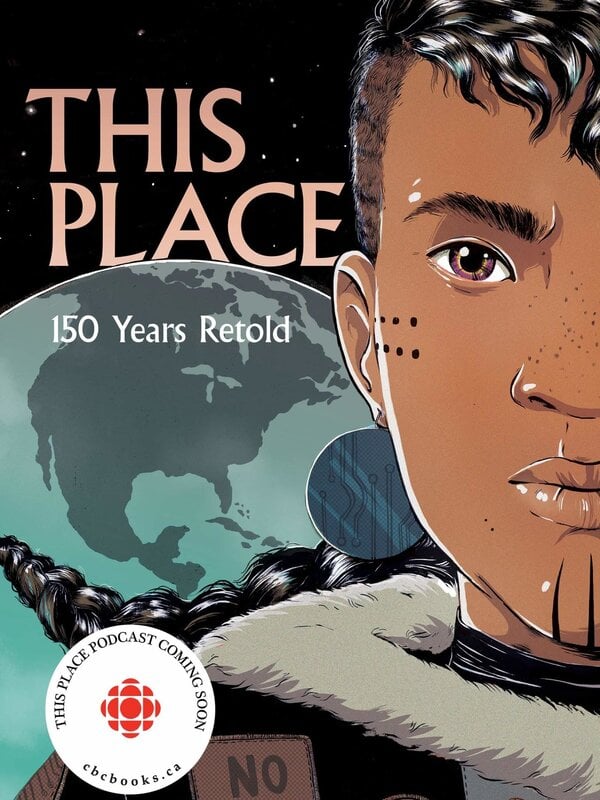
This Place: 150 Years Retold by Kateri Akiwenzie-Damm, Chelsea Vowel, Katherena Vermette, Jen Storm, Niigaanwewidam James Sinclair, David Alexander Robertson (Goodreads Author), Richard Van Camp (Goodreads Author), Brandon Mitchell, more… 4.42 · Rat
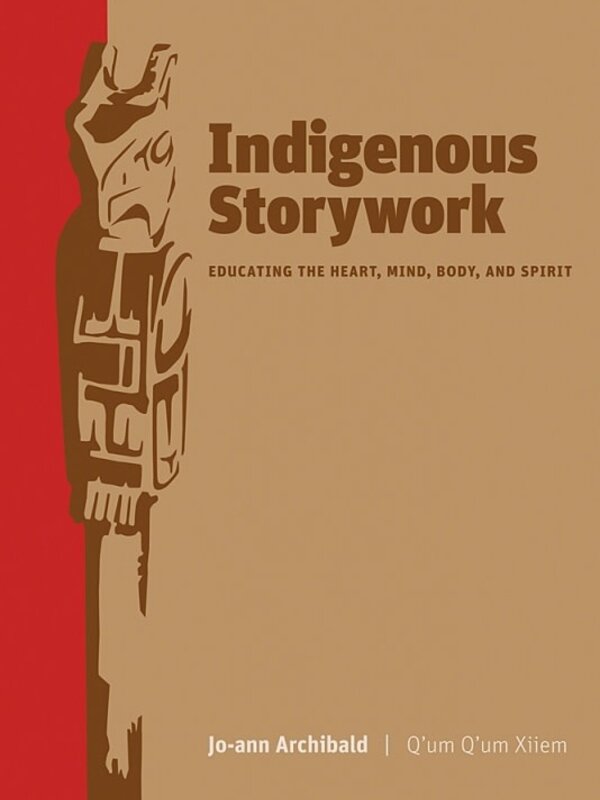
Jo-ann Archibald worked closely with Coast Salish Elders and storytellers, who shared both traditional and personal life-experience stories, in order to develop ways of bringing storytelling into educational contexts. Indigenous Storywork is the result of
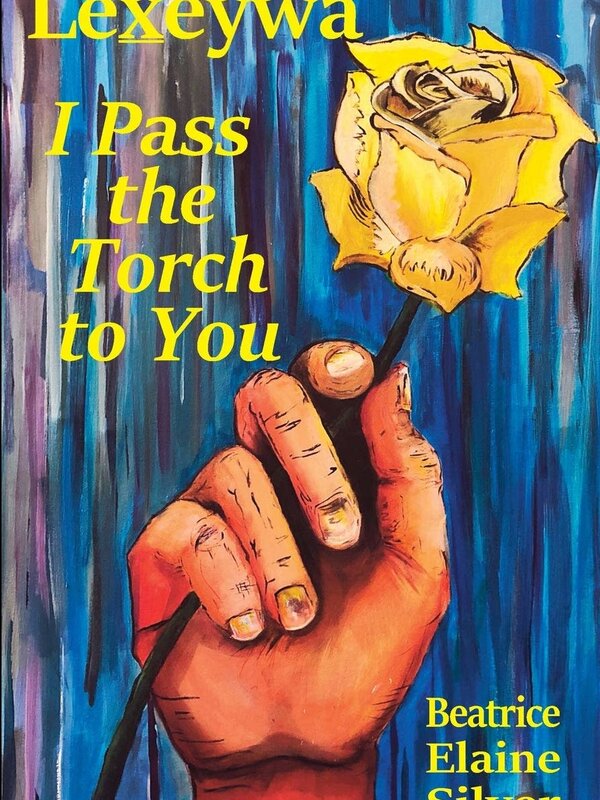
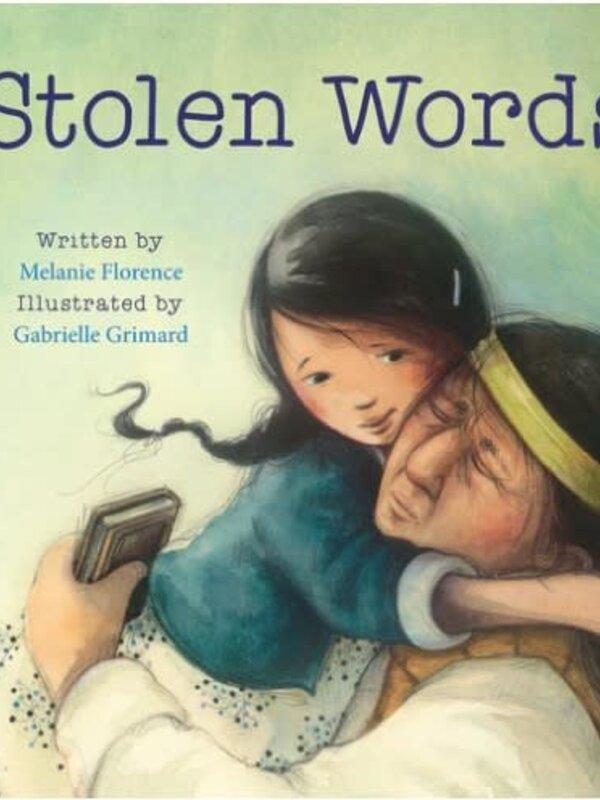
This story allows the reader to walk in the little shoes of a girl who survived the infamous school. She did so by sheer force of will, generated by confidence in the love of her family and the strength of her seven-year-old identity.
This book is dedicated to all those that wish to learn the beginning steps of the Halq'emeylem language. It begins with making the vowel sounds, best to you all and enjoy.... Th'et-simiya
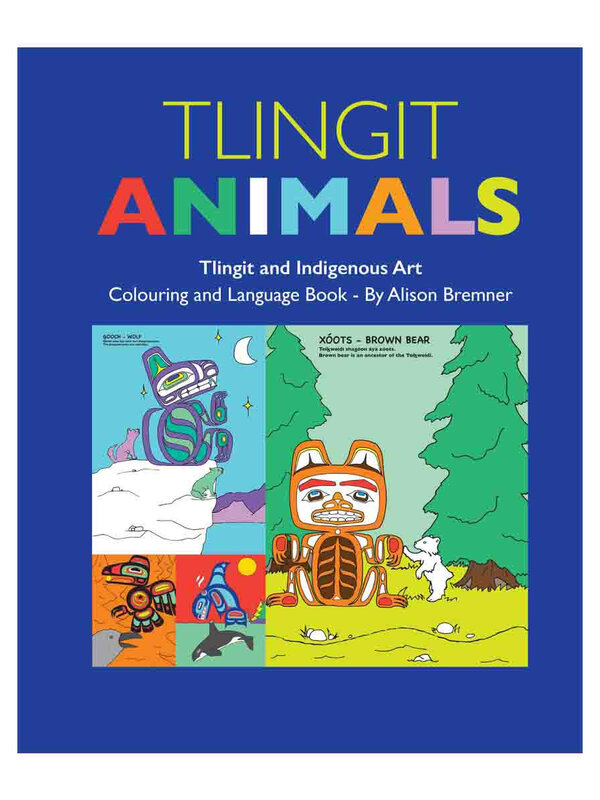
Alaskan Alison Bremner reclaims her ancestral language in this Tlingit coloring book featuring her original art. Alongside each drawing, each animal is identified by their English and Tlingit names. The English and Tlingit sentences below explain each ani
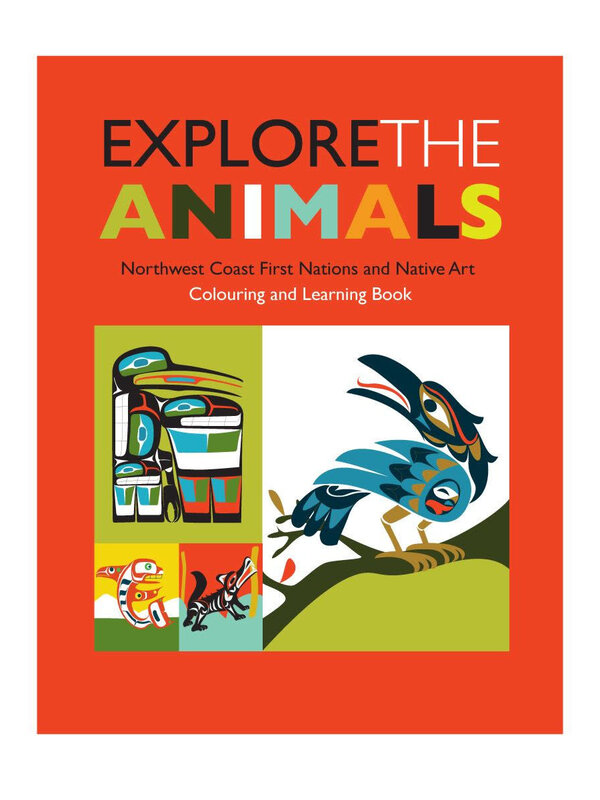
The images and text in this book are the work of First Nations and Native artists from communities throughout the Pacific Northwest. Through their art and words, each artist has shared the importance of their personal and cultural relationship to the natu
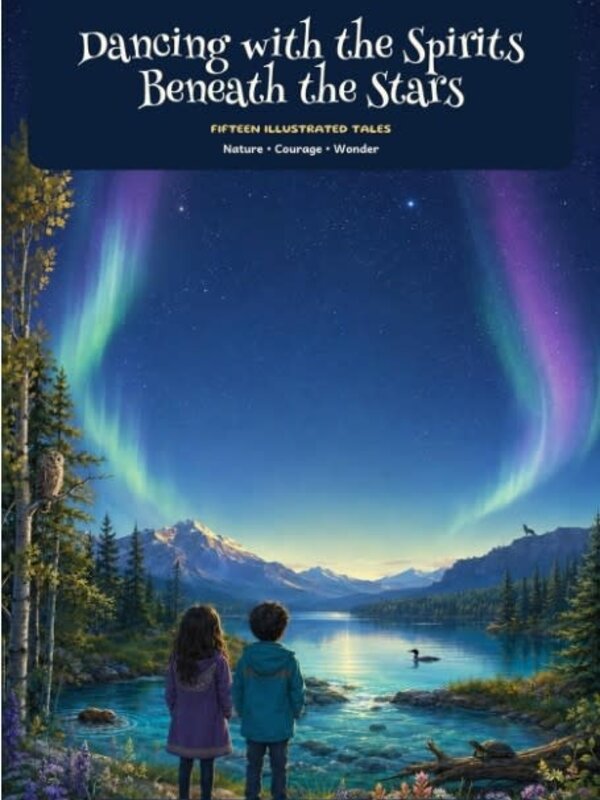
Step beneath a sky filled with wonder in Dancing with the Spirits Beneath the Stars, a richly illustrated collection of fifteen original tales about nature, courage, kindness, belonging, and community.
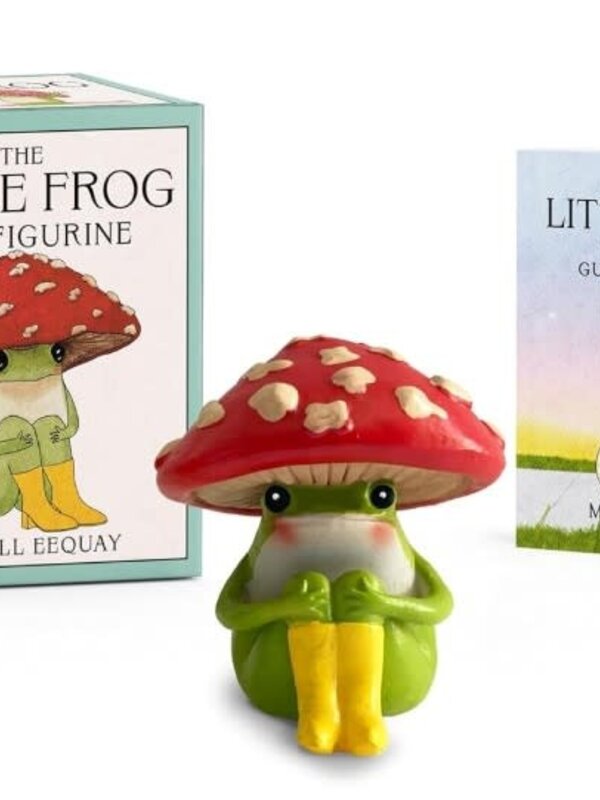
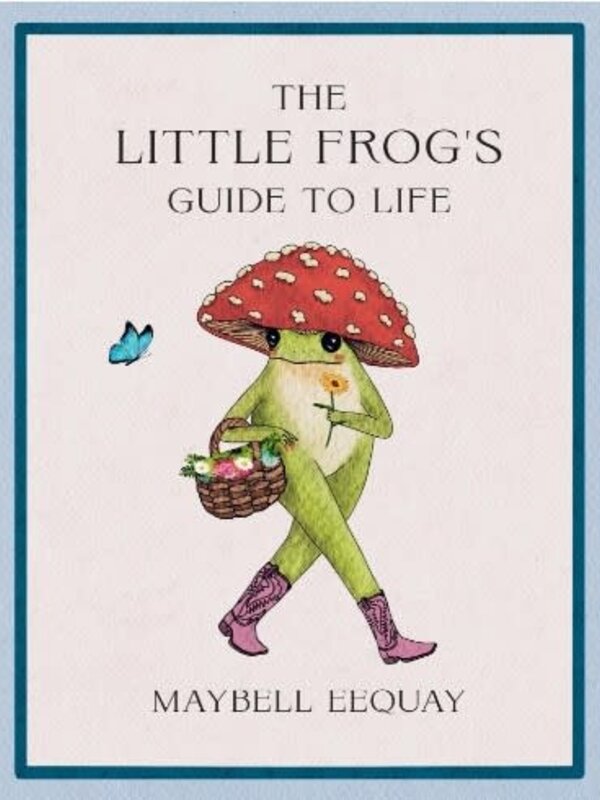
Meet your new best friend: the Little Frog! Sporting a mushroom on their head and an incredible collection of high heels on their feet, this beloved creature has captured the Internet's attention with uplifting affirmations and empowering life lessons.
In this story, the class enjoys a picnic lunch. They eat bannock, jam, and other tasty foods.
Told through the eyes of a child and her grandfather, the book captures the close and caring relationship between generations as the girl learns about residential schools and language loss. Grandfather lost his Cree language when he was taken from his lov
The little frog is back! Brimming with beautiful affirmations to live by and essential pearls of wisdom, the internet's most adorable amphibian returns to help you move through your days with self-love and kindness. Whether you're looking for hope, motiva
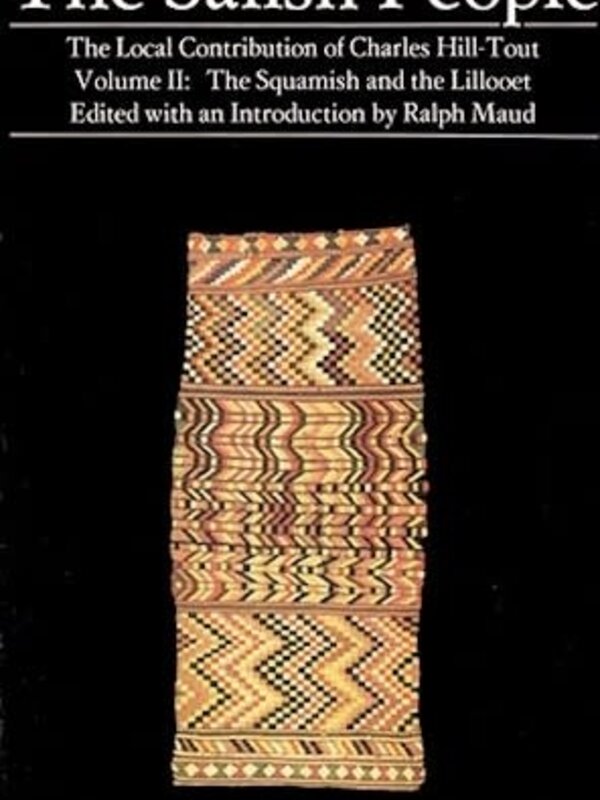
Volume II of The Salish People deals with the people of the Squamish and the Lillooet, including the Origin Myth as told by a 100-year-old storyteller whose mother saw Captain Cook sail into Howe Sound in 1792. The “asides” Hill-Tout provides throughout t
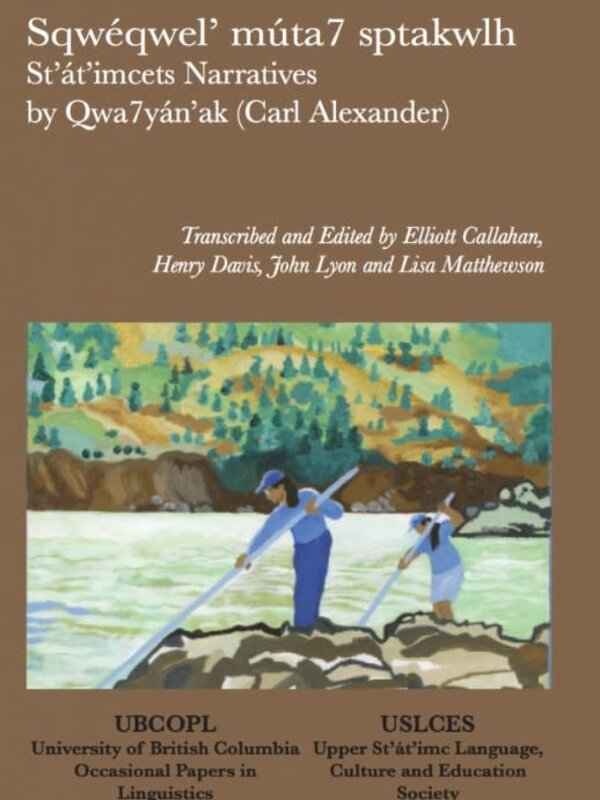
Sqwéqwel’ Múta7 Sptakwlh: St’át’imcets Narratives by Qwa7yán’ak, published jointly by PNWLL Press and USLCES, is a volume of 18 narratives told by Qwa7yán’ak Carl Alexander, originally recorded in St’át’imcets (Lillooet Salish) over several years.
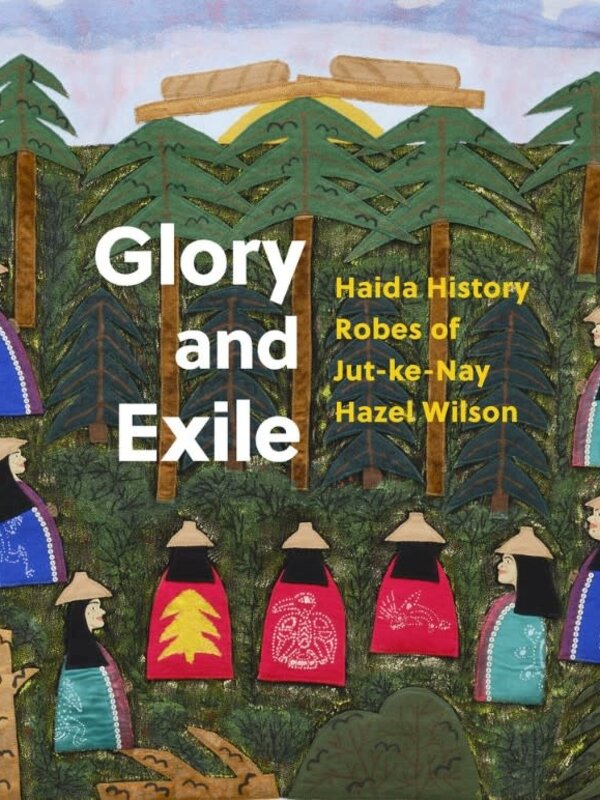
Marks the first time this monumental cycle of ceremonial robes by the Haida artist Jut-Ke-Nay (The One People Speak Of) - also known as Hazel Anna Wilson - is viewable in its entirety.
These essays have had a lasting impact on the study of the Northwest Coast, provoking argument and suggesting problems for research and hypotheses to test in both social anthropology and archeology. Other essays deal with Native knowledge, belief and art
The Sacred Tree, published by Four Worlds Development Project in 1984, was originally intended as a resource for Aboriginal communities involved in healing programs. Now in its 4th edition,
Based on years’ worth of columns, Niigaan Sinclair delivers a defining essay collection on the resilience of Indigenous peoples. Here, we meet the creators, leaders, and everyday people preserving the beauty of their heritage one day at a time. But we als
The Reason You Walk spans the year 2012, chronicling painful moments in the past and celebrating renewed hopes and dreams for the future. As Kinew revisits his own childhood in Winnipeg and on reserve in Northern Ontario, he learns more about his father's